Pathophysiology of Hyperpigmentation
Hyperpigmentation occurs as a result of increased melanin production through the tyrosinase enzyme in melanocytes. Tyrosinase catalyzes the conversion of tyrosine to L-DOPA and then to dopaquinone, which is oxidized to melanin. This process is regulated by various factors, including UV radiation, hormonal changes and inflammatory processes.
Melanosome vesicles containing melanin are transported from melanocytes to keratinocytes through a process called cytophagy. In hyperpigmentation, this process is accelerated, leading to accumulation of melanin in the stratum corneum and the appearance of pigmented lesions.
Mechanism of Action of Vitamin C
L-ascorbic acid (vitamin C) inhibits tyrosinase through reduction of hydroquinone, which prevents the oxidation of dopaquinone to melanin. Vitamin C also acts as an antioxidant, neutralizing reactive oxygen species (ROS) that stimulate melanogenesis. Stable forms of vitamin C, such as L-ascorbyl phosphate and magnesium ascorbyl phosphate, provide longer-lasting efficacy in cosmetic formulas.
AHA and BHA: Keratolytic Effect
Alpha-hydroxy acids (AHA), such as glycolic and lactic acid, accelerate cell turnover by breaking desmosomes between corneocytes. This promotes the removal of melanocytes from the stratum corneum and improves penetration of other depigmenting ingredients. Beta-hydroxy acids (BHA), primarily salicylic acid, penetrate deep into pores thanks to their lipophilic properties, dissolving comedonal blockages and reducing the appearance of post-inflammatory hyperpigmentation.
Azelaic Acid: Selective Tyrosinase Inhibition
Azelaic acid is a competitive tyrosinase inhibitor that acts mainly on hyperactive melanocytes and affects normal ones far less. It therefore lightens pigmented lesions with a low risk of uneven lightening of the surrounding skin, and suits post-inflammatory hyperpigmentation and melasma. Its mechanism, concentrations and combinations with other ingredients are covered in detail in the article on azelaic acid.
Application in Cosmetic Formulas
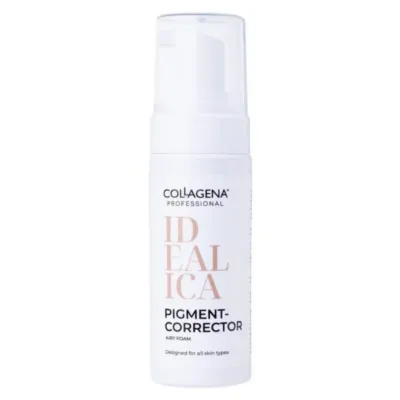
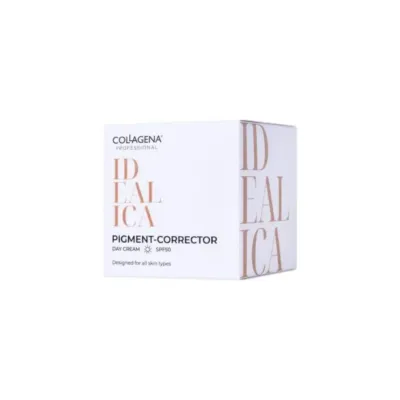
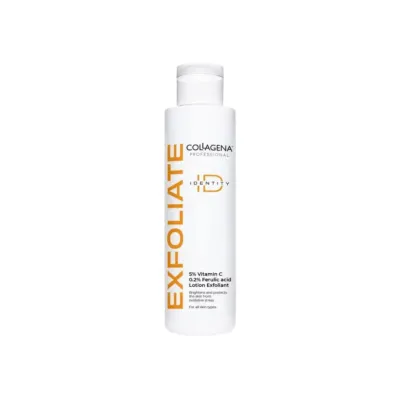
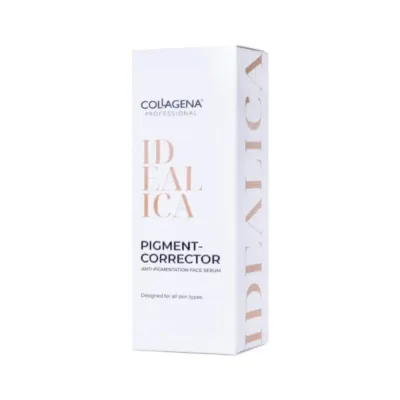
In Collagena Professional® products, depigmenting ingredients are combined in synergistic formulas that act at different levels of melanogenesis. The combined action of vitamin C, AHA and BHA ensures gradual and controlled lightening of pigmented lesions while maintaining healthy skin function.