
02 / Depigmentation Therapy with Pro AHA Pigment Corrector 12%
The ideal profile
Suited to post-acne pigmentation (PIH), sun-spots (age spots), light melasma (mild expression), and uneven tone. We especially recommend it for Fitzpatrick I,III phototypes, where pigmentation is more surface-level. For Fitzpatrick IV,VI (darker skin) the risk of post-inflammatory hyperpigmentation is higher, we start at gentler concentrations (8% AHA) and monitor reaction. For deep melasma (hormonal) this therapy is maintenance, not a solution, the main treatment comes from a dermatologist with tripon or other prescribed medication. Ideal season for a course: October through the end of February, when UV radiation is minimal. Before a first session a Wood's-lamp check is useful to determine pigmentation depth, surface (epidermal) responds to 3-4 sessions, deep (dermal) usually needs medical intervention too.
When to postpone
We do not perform the therapy during pregnancy or breastfeeding (azelaic acid and retinaldehyde are not recommended), on open wounds, active infections, or active skin diseases. Recent sunburn, wait at least 21 days. Active cold sore (even in the early phase), we postpone. Hydroquinone use at home (prescribed by a dermatologist), pause 10 days before the procedure. Active viral infection, wait for full recovery. Antibiotics in the tetracycline or sulphonamide families, they raise photosensitivity; tell the specialist and we can postpone. A beach holiday planned in the next 21 days, definitely wait or choose a gentler protocol. Pregnancy in any trimester, wait until after breastfeeding. Exam or deadline stress can make the skin more reactive; if you can choose, schedule the session outside the peak stress. Active rosacea, we switch to the dedicated protocol. Allergy to AHAs or arbutin, yes. Isotretinoin currently or stopped less than 6 months ago, no. Immunodeficiency, check with a dermatologist. After laser, 14 days. Summer, we recommend postponing, because SPF cannot fully compensate for UV sensitivity. Active melanoma or suspicious moles, a dermatology consult is mandatory before we start. Recent self-tanner use (spray or cream), wait 5 days, because the interaction with AHA can give uneven colour.
Realistic expectations
A single session gives visible tone evening for 14 days. A course of 4-6 sessions every 14 days delivers 30-60% reduction in pigmentation. Full removal is rarely achievable with topical therapy, especially for hormonal melasma, which often only responds to a combination of topical and medical care. SPF maintenance is critical, without it the result is lost in days. After the first session expect a brighter and more even tone for 14 days; after the third, noticeable spot reduction; after the full course, stably even tone with 30-60% fewer visible spots. This therapy does NOT remove dermal pigmentation (melasma) or birthmarks. It cannot replace medical treatment for hyperpigmentation. After stabilisation, maintenance every 4-6 weeks. This protocol pairs with the Vitamin C Therapy in an alternating course, they block different steps of melanogenesis and the result is more visible. Realistically expect spot reduction, not full clearance. Darker spots fade first, lighter ones more slowly. Read how it works in the salon and the aftercare plan. All protocols: catalog. For long-term strategy: pigmentation page.
Compared with alternative protocols
We often get asked how depigmentation therapy with AHA 12% compares with our other therapies. Compared with Vitamin C therapy this therapy fits a specific skin profile and a specific goal better. The two therapies are not interchangeable, they work on different mechanisms and we often combine them in one course for a fuller effect. The choice depends on three factors: your goal (glow, rejuvenation, lifting, tone evening), your skin type (normal, dry, oily, sensitive), and your skin history (have you had professional therapies before, do you use actives at home). At the consultation we review these three factors and propose a specific plan, often a combination of 2-3 therapies in a course that work synergistically. We do not recommend a one-size-fits-all therapy, results are much better when the protocol is specifically chosen. If you have had professional sessions before and know how your skin reacts to actives, say so, it speeds up the choice and often lets us start with a sharper plan from the start. See our full protocols catalog for a detailed comparison between therapies.
Who gets the best results
From our practice, three client profiles get the strongest result from depigmentation therapy with AHA 12%. First: a woman aged 32-40 with early aging signs and an active home routine, for her, the cumulative course effect is most visible because the skin already works with actives and takes professional signals better. Second: a 40-50 year-old who has not had professional therapies before but has healthy, well-maintained skin, for her the first session often delivers a surprisingly strong effect because there is no built-up resistance. Third: a client over 50 with specific concerns (loss of density, uneven tone, fine lines), for her we work in a long course and pair with other protocols; the accumulated improvement over 3-4 months is significant. Who does not get the strongest result: women who try a single session just to test without home follow-up, or clients with a very thin barrier from aggressive home actives, for those we first restore, then stimulate. If you recognise yourself in the first three profiles, your chances of a real result are very high. If you recognise yourself in the fourth, say so at the consultation and we will start with a gentler protocol that prepares the skin for sharper sessions later. For the full candidate profile see the who-it-is-for article.
Is it for you? Self-assessment
Before booking depigmentation therapy with AHA 12%, run through this short list. If you answer yes to at least 3 of 5, your chances of a real result are high. First: do you have at least one of the concerns this therapy specifically addresses (see the Ideal Profile section)? Second: does your skin tolerate active ingredients at home (retinol, acids, vitamin C) without a significant reaction? Third: do you have a daily routine in place with cleansing, serum, cream, and SPF50? Without that last one, the therapy will lose part of its effect. Fourth: can you commit to a course of at least 4 sessions over 6-8 weeks? A single session gives an initial effect, but real change comes from accumulation. Fifth: are you ready to add or maintain home care with the recommended products for at least 4 weeks after each session? If the answer is yes to most, book. If yes to 1-2, book a consultation first; we will recommend a better start or discuss how to prep the skin for this therapy. If no to most, there is a more suitable protocol for you, and at the consultation we will find it together. For the in-salon walkthrough see the procedure article.
Frequently asked questions
When should I start a course?
Autumn or winter, the skin has time to recover without UV stress. Start by February at the latest.
How many sessions until visible improvement?
Stable evening after 4 sessions. Real spot reduction, after 6 sessions.
Suitable for melasma?
For maintenance, yes. As primary treatment, no. Hormonal melasma needs dermatology.
Related products
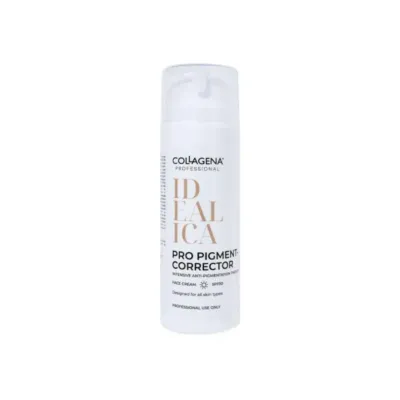
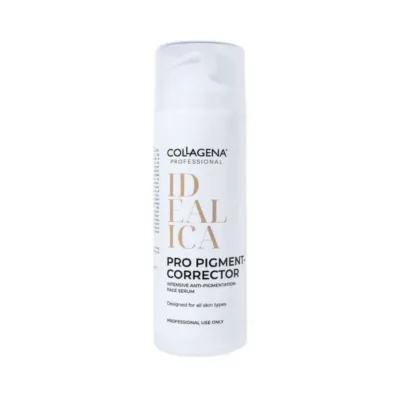
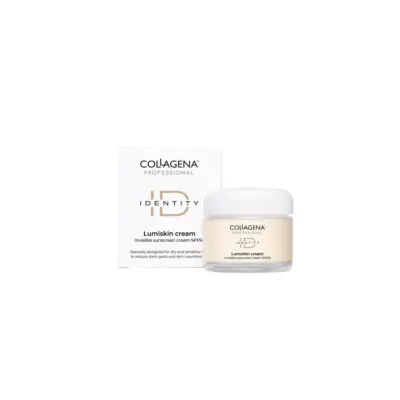
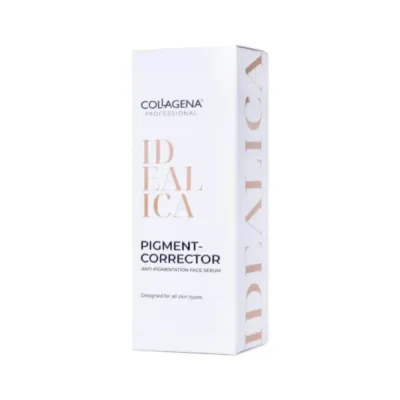
Intensive depigmentation therapy with AHA peel 12% for correcting pigment spots and hyperpigmentation
← Back to the therapy page