Where It Comes From
Argan oil is extracted from the kernels of the argan tree fruit, which grows almost exclusively in southwest Morocco. The yield is low: a large quantity of fruit produces relatively little oil, which explains the price.
Cosmetic or culinary
There are two kinds. The culinary version is made from roasted kernels, has a pronounced nutty aroma and a darker colour. The cosmetic version comes from unroasted kernels, is nearly odourless and lighter. Skin and hair use the second.
The Composition and Why It Matters
Argan oil contains mostly oleic and linoleic acid, plus tocopherols, meaning natural vitamin E, and plant sterols. The ratio between the oleic and linoleic acids is what determines how the oil behaves on skin.
Oils higher in linoleic acid are generally better tolerated by oily, blemish-prone skin. Those dominated by oleic acid suit dry skin. Argan sits in between, which makes it relatively versatile.
How It Works
Argan works mainly as an emollient: it softens the surface and fills the microscopic gaps between cells, which makes skin feel smoother. It is also partly occlusive, meaning it slows water evaporating from the barrier.
On hair
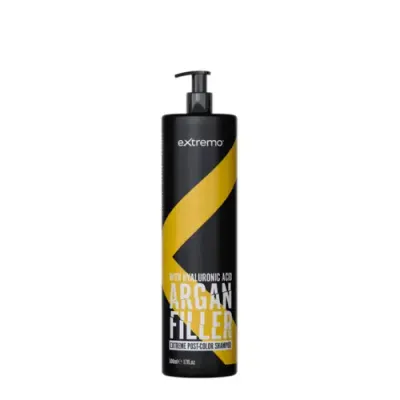
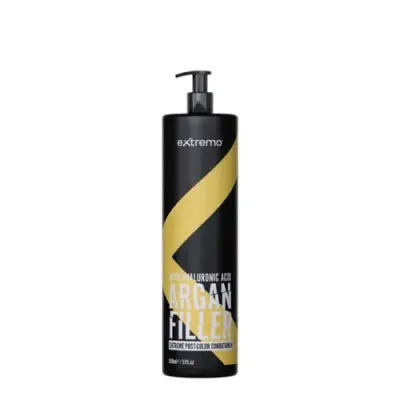
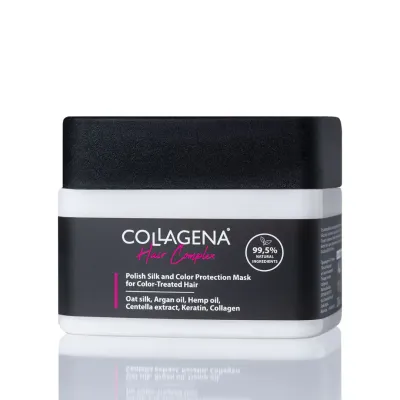
On hair the effect is largely superficial: the oil lies against the cuticle, reduces friction between strands and makes hair shinier and easier to comb. It does not repair damage; it improves how hair looks and behaves.
When Oil Is Not Enough
This is the most common misunderstanding about oils in general. An oil does not hydrate, because it contains no water. It seals in what is already there, and if the skin underneath is dry, it seals dry skin in.
So the order matters: a hydrating product on damp skin first, then the oil on top. Applied alone to dry skin, argan gives softness but does not address dehydration.
Who It Suits
Dry and normal skin, dry and curly hair, nails and cuticles. On oily facial skin, approach carefully and patch test: the response is individual and some people do get congestion.
How to Recognise a Good One
The ingredient list should be short: argania spinosa kernel oil and possibly tocopherol. If the list is long and argan sits near the end, you are mostly paying for a name. Dark packaging is preferable, since oils oxidise in light.
Rancid oil has a sharp, unpleasant smell and should not be used. Store it cool and out of direct light, and use it within a few months of opening.
How to Use It
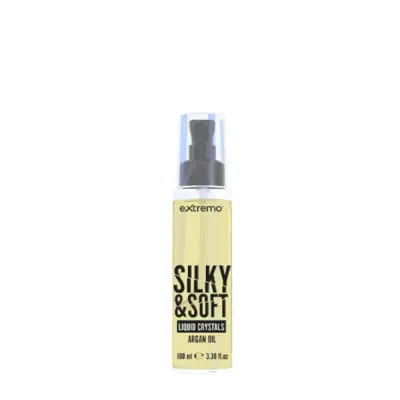
For face: two or three drops warmed between your palms, as the last step at night. For hair: a small amount through the lengths and ends, on damp hair after washing, never at the roots. How it fits the wider regime is in our hair care routine.