Structure and Function of Exosomes
Exosomes are nanoscale vesicles (30-150 nm) secreted by various cell types that play a key role in intercellular communication. They are formed through invagination of the endosomal membrane and contain microRNA, mRNA, proteins and lipids that modulate cellular processes, including proliferation, migration and differentiation.
The exosomal membrane contains specific proteins such as CD9, CD63 and CD81, which facilitate fusion with target cells. The content of exosomes varies depending on the cell source, allowing targeted modulation of cellular processes.
Mechanism of Action in Skin
The mechanism of action of exosomes involves fusion with target cells and release of their content, which activates signaling pathways for tissue repair and renewal. In the skin, exosomes stimulate regeneration by activating fibroblasts and promoting synthesis of type I and III collagen, as well as elastin.
Exosomes also modulate inflammatory processes through regulation of cytokine and chemokine production. They promote angiogenesis by stimulating endothelial cells and improve wound healing by activating keratinocytes.
Clinical Effects and Applications
Clinical studies demonstrate that exosomes improve hydration, reduce the appearance of fine lines and promote healing of damaged skin. They also modulate melanogenesis and improve skin tone through regulation of melanin production.
Application in Cosmetic Formulas
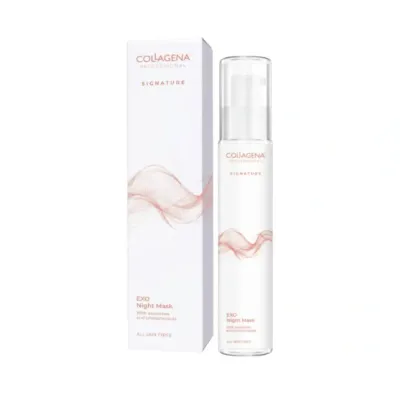
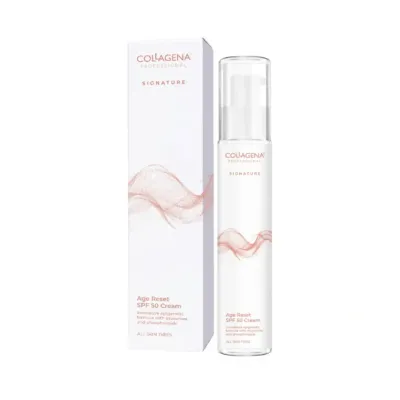
In Collagena Professional® products, exosomes are integrated into stable formulas that preserve their biological activity. They act in synergy with other active ingredients, such as collagen and hyaluronic acid, to achieve optimal results on different skin types.