Structure and Function of Phospholipids
Phospholipids are key structural components of cell membranes and the stratum corneum, where they form the lipid bilayer critical for skin barrier function. They consist of a hydrophilic phosphate head and hydrophobic fatty acid tails, which allows them to spontaneously form bilayer structures in an aqueous environment.
In the stratum corneum, phospholipids, together with ceramides and cholesterol, form the lipid matrix that provides hydrophilic-hydrophobic separation. This prevents transepidermal water loss (TEWL) and maintains optimal skin hydration.
Mechanism of Improving Penetration
In cosmetic formulas, phospholipids improve penetration of active ingredients thanks to their ability to integrate into skin lipid structures. They act as penetration enhancers, dissolving the lipid bilayer and facilitating transport of active molecules through the stratum corneum.
Phospholipids also stabilize emulsions and improve product texture while restoring impaired barrier function in dry and sensitive skin. They form liposomes that protect active ingredients from degradation and ensure controlled release.
Restoration of Barrier Function
In dry and sensitive skin, barrier function is impaired, leading to increased TEWL and reduced hydration. Phospholipids restore the lipid bilayer by replenishing missing structural components and improve the integrity of the skin barrier.
Application in Cosmetic Formulas
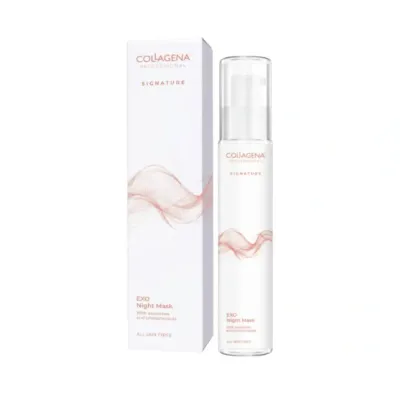
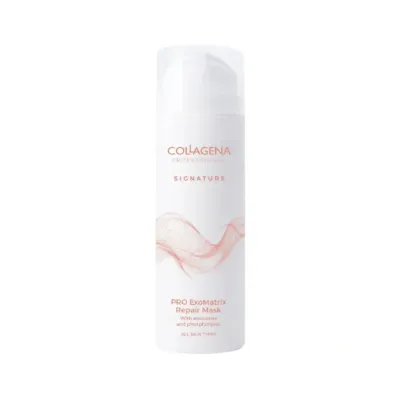
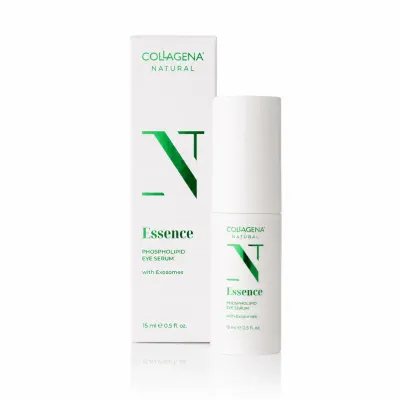
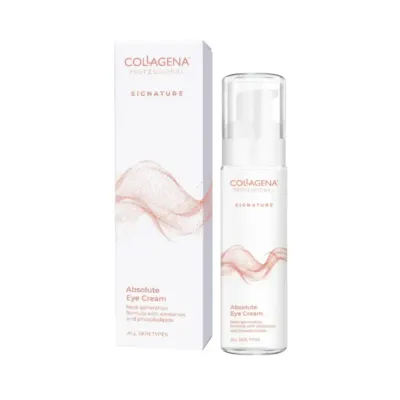
In Collagena Professional® products, phospholipids are used both as structural components to improve barrier function and as penetration enhancers to optimize delivery of active ingredients. This dual function ensures not only restoration of the skin barrier, but also improved efficacy of the active ingredients.