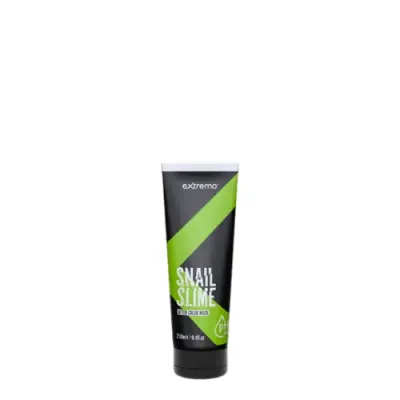
What It Is
It is a filtrate of the mucus a snail produces naturally. Its composition includes glycoproteins, hyaluronic acid, glycolic acid, peptides and zinc compounds. The exact ratio varies with the species and the collection method.
How it is collected
Modern producers use methods that do not harm the animals: the secretion is collected in a controlled environment and the snails are returned afterwards. If the sourcing matters to you, it is a fair question to put to the manufacturer.
Why the Composition Is Interesting
The value of the ingredient lies in carrying several familiar actives at once. Hyaluronic acid holds water, glycolic acid provides a mild exfoliating action, and the peptides and glycoproteins support a feeling of smoothness.
What that means in a real product
Each of those components is present at a relatively low concentration. So snail secretion behaves more as a broad supporting ingredient than a strong targeted active. If you want pronounced exfoliation, a dedicated acid will do that job better.
What to Realistically Expect
Better hydrated skin, a softer surface and, over time, more even tone. It is well tolerated and rarely irritates, which makes it convenient for daily use. Do not expect a dramatic change: its strength is tolerability and breadth of action rather than intensity.
Who It Suits
Almost every skin type, sensitive included. It is particularly convenient for anyone who wants a simple routine with one ingredient doing several jobs. If you have a shellfish or mollusc allergy, approach with care and patch test first.
How to Use It
What to Expect From the Concentration
Many products highlight a high percentage of secretion, sometimes over ninety. The number looks impressive but on its own says little: the filtrate is dilute, and a high percentage does not necessarily mean more active components.
It is more useful to look at the rest of the formula. A product with ninety percent filtrate and nothing else of substance is weaker than one with a lower percentage and well-chosen supporting ingredients.
Common Expectations That Do Not Hold
The ingredient is often associated with removing scars and quickly erasing marks. Those expectations sit outside what cosmetics can do: a scar is a structural change in the skin and is not affected by a product applied to the surface.
What genuinely improves is hydration, smoothness and, over time, evenness of tone. If scarring is what you want to address, that is a conversation with a dermatologist rather than a choice of serum.
It appears most often in serums and ampoules, applied morning or evening to clean skin. It combines easily with niacinamide and with hydrating ingredients. Because it contains a mild acid, do not pair it with strong exfoliation on the same night.