What Exactly Gets Damaged
Damage affects two layers. The cuticle lifts and parts of it break away, leaving the surface rough. The cortex loses protein and some of its internal bonds are broken. Their structure is described in our article on hair structure.
The first is felt immediately: hair that tangles, looks dull and is hard to comb. The second shows up later: hair that stretches without springing back, breaks when wet and will not hold a style.
Lightening Is the Harshest Process
To lighten, a product must open the cuticle and break down pigment inside the cortex. There is no way for that to happen without affecting the surrounding structure as well.
The more levels you lift at once, the greater the strain. Which is why going from dark to very light hair in a single appointment is the riskiest thing you can do to your hair.
Signs it has gone too far
A gummy feel when wet, strands that stretch and stay stretched, an unusual amount of breakage when combing. That is not solved with a mask and is a signal to stop processing.
Colouring Without Lifting
Dark and toning colours are far less demanding, because they add pigment rather than breaking down what is there. The cuticle still opens, but for less time and in a milder environment.
Semi-permanent colours and toners are the gentlest, since they work mainly at the surface. If your goal is a change of shade rather than depth, that is the kinder route.
Straightening and Perming
These processes work differently: they break the bonds that hold the strand shape and then re-form them in a new configuration. The cortex is affected directly, not the pigment.
Which is why straightening already-lightened hair is the highest-risk combination. If you have done one, wait a good while before the other, and consult a professional rather than the internet.
What Repair Products Actually Do
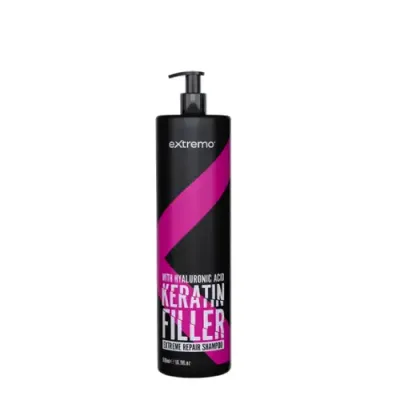
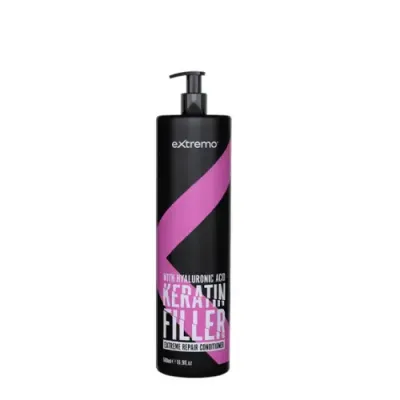
Hydrolysed proteins, keratin among them, fill gaps in the surface and temporarily restore some strength. The effect is real but washes out and renews with each application.
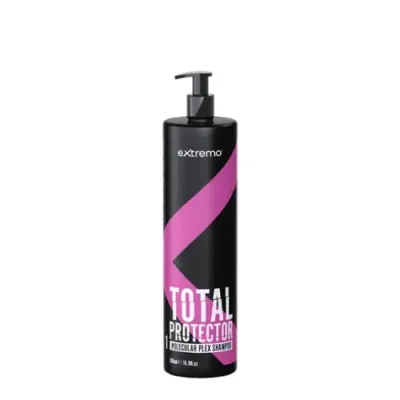
Plex-type products work deeper, helping some broken bonds reconnect. That is the closest thing to genuine repair that exists, and it too has limits. There is more in our article on molecular plex.
Emollients and silicones repair nothing, but they coat the surface and leave hair smooth, shiny and easy to comb. That is not a cheat: less friction means less new breakage.
Protein and Moisture: The Balance
Damaged hair needs both, but at different times. Too much protein leaves hair stiff and brittle; too much moisture without protein leaves it soft and shapeless.
A practical guide: if hair feels stiff and snaps dry, cut back on protein products. If it feels limp, stretches and holds no shape, add one every couple of weeks.
How to Limit the Damage
Space processes out over time. Colour only the regrowth rather than the whole length every time. Lower your drying heat and use heat protection. Comb from the ends upward.
And trim regularly. Damaged ends split upward and that does not stop on its own. What a maintenance routine looks like is set out in our hair care guide.
Heat Damage Accumulates Quietly
Unlike chemical processes, heat damage has no single moment when it happens. It accumulates from hundreds of brief episodes and is noticed only once it is already considerable.
The practical measures are simple: a lower setting, drying from a distance, heat protection before straighteners and tongs, and letting hair dry partly on its own before you switch anything on.
When to Stop Processing
If hair breaks during ordinary combing, if it stretches like elastic when wet and does not spring back, or if ends split faster than you trim them, the next process will make things worse.
In that case the only things that work are a break and a haircut. No product lets badly damaged hair take another lightening session without consequences.