What a Styling Product Does
Most work in one of three ways: they form a thin film that holds a shape, they add friction between strands so they grip one another, or they weigh hair down and smooth it to reduce volume.
Working out which mechanism you need settles most of the choosing. If your hair will not hold a shape, you want film or friction. If it is unruly and expands, you want smoothing.
Volume Powders
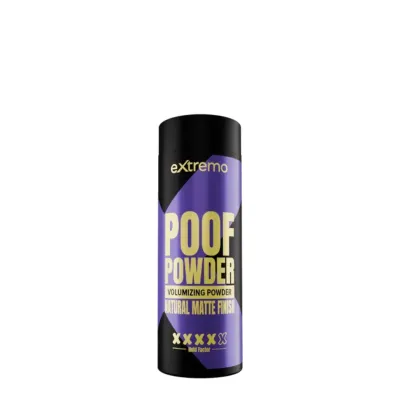
Powders contain very fine particles, usually silica-based, that sit between strands and increase friction. The strands stop collapsing against each other, which creates volume at the roots.
They work best on clean, dry hair and in very small amounts. Too much leaves a gritty feel and a visible white cast on darker hair.
A practical caution
Powders build up on the scalp if not washed out properly. If you are prone to itching or flaking, use them less often and make sure your shampoo removes them fully.
Salt Spray
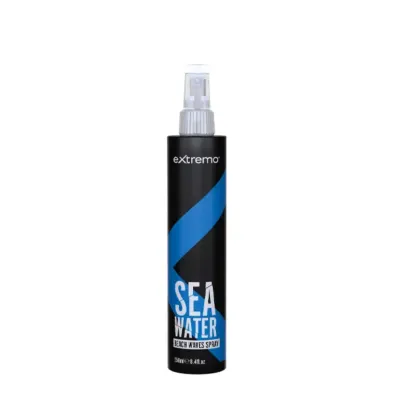
Salt draws water out of the strand and changes how it bends as it dries. The result is an uneven, broken-up texture resembling hair after sea swimming.
That is also the drawback: salt is drying. On dry, lightened or damaged hair frequent use makes things worse, so look for formulas with added softening ingredients.
Gels and Strong-Hold Products
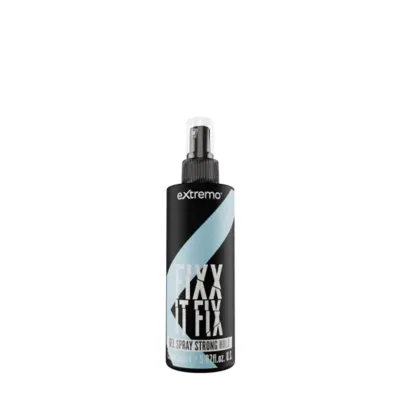
Gels form a rigid film that locks a shape in place. The stronger the hold, the denser the film and the more likely hair is to feel stiff.
The trick most people do not know is that the film can be broken up. Let hair dry completely, then work it gently with your fingers: the hold stays, the stiffness goes.
Creams, Serums and Oils
These do not hold a shape; they smooth. They coat the surface, reduce friction between strands and leave hair shinier and easier to shape. Argan oil is a typical example.
The main rule with these is amount and placement: a little, only on the lengths and ends, never at the roots. Excess weighs hair down and it looks unwashed by the next day.
Heat Protection
This is the only styling product that also protects. It forms a layer that slows heat transfer and reduces the abrupt loss of moisture. Why that matters is explained in our article on hair damage.
An important clarification: the protection is partial, not complete. It reduces damage rather than removing it, and a lower setting on the appliance remains more effective than any spray.
The Order of Application
On damp hair: heat protection first, then texture or volume products. On dry hair: powders at the roots and smoothing products on the lengths, with hairspray last if needed.
The general rule is thinner to thicker, roots to ends for volume, the reverse for smoothing. If you apply oil before powder, the powder will not work.
Build-Up and How to Avoid It
Film formers and silicones build up over time, particularly if you wash with a very mild shampoo. Hair starts to look dull, heavy and unresponsive to products.
A clarifying shampoo every few weeks handles it. More often than that dries hair out needlessly. How to choose your everyday shampoo is covered in a separate guide.
How to Choose for Your Hair
Fine hair: powders, light sprays, no oils at the roots. Thick hair: creams and richer products that can control the volume.
Curly hair: products that add moisture and define the curl, applied to wet hair. Straight hair: light texture products, since there is no natural bend to emphasise.
Common Mistakes
Using too much is the most common. Almost every styling product works better in a smaller amount than most people use.
The second is applying in the wrong place: powder on the lengths, oil at the roots, hairspray on wet hair. The third is expecting a product to make up for a haircut you have not had.
Hairspray
Hairspray works by fixing an already-finished style with a fine polymer layer. It goes on last, on completely dry hair, from about twenty centimetres away.
Sprayed too close it makes a wet patch that dries into a stiff clump. Sprayed on damp hair it ruins the shape instead of holding it. Distance matters more than brand.
Dry Shampoo Is Not a Styling Product
It absorbs sebum and makes hair look cleaner while adding a little body. That is not washing: the scalp stays uncleaned and the product stays on it.
Used occasionally it is convenient. Used several days running it builds up and, if you are prone to itching or flaking, makes things worse. There should be a real wash between two dry-shampoo days.
Mousses and Volume Products on Damp Hair
Mousse forms a light film around each strand that makes it more resistant to collapsing as it dries. It works best applied to damp hair, worked through from the roots and shaped with a dryer.
If your hair stays flat despite mousse, the problem is probably the drying rather than the product. Volume comes from the direction you dry in, not from how much product you use.
How Many Products You Actually Need
For most people two are enough: heat protection and one product for the goal at hand, whether volume, texture or smoothing. Everything else is a choice rather than a necessity.
Layering five products into one style usually gives a worse result than two used properly, and leads to faster greasiness and more frequent washing.
What Styling Products Cannot Do
They do not repair damaged hair, do not stop splitting and do not change its structure. They work on the surface and wash out. Your hair actual condition is decided by trims, heat and the chemical processes you avoid. The basics are in our hair routine.
That does not make them less useful. A style that holds all day is a genuine benefit, as long as you do not expect the product to do another thing job.
How to Read the Label
Polymers ending in copolymer and polyquaternium are the film formers that hold a shape. Silica indicates a powder or mattifying effect. Silicones are recognisable by the ending cone.
Alcohol high on the list in sprays helps a product dry fast, which is functional rather than automatically a problem. On dry hair, though, frequent use of such formulas dries it further.
How to Wash Them Out Properly
Wet hair thoroughly before applying shampoo: dry hair with product on it does not clean well. Work the shampoo into the scalp with your fingertips rather than your nails.
With strong hold products a second lather makes sense. The first breaks down the film, the second cleans. That is gentler than one wash with a harsh shampoo.
Styling and Damaged Hair
Damaged hair holds a shape less well, because its surface is rough and porous. It takes product up quickly and unevenly, which makes the result less predictable.
The practical approach is less product, distributed more carefully, and a smoothing product before a holding one. Trying to compensate with more usually gives hair that looks stuck rather than styled.
In Short
Choose a product for the mechanism you need rather than the promise on the box. Use less than feels necessary, and put it where it actually does something.
And remember what it is: a temporary change in appearance that washes out. Useful, enjoyable and entirely legitimate, as long as it is not expected to replace care.