The serum carries the actives, but the cream decides whether they stay in the skin. Here is how to choose one, in the order the questions actually matter.
What a Cream Does
Three things at once: it gives the skin lipids it is short of, it stops water evaporating, and it leaves a layer on the surface that shields it from wind, cold and dry air. That last one is also why a cream makes skin look smoother within the hour.
When a serum without a cream is not enough
On dry skin, almost always. A hydrating serum draws water in, but with no cream on top and dry air around it, much of that water evaporates and the skin can end up feeling tight again. There is more on the mechanism in the article on skin hydration.
First Question: What Is Your Skin Type
Dry skin
It is short of lipids, not only water. Look for a richer texture with ceramides, squalane, oils and urea. In winter it usually needs a denser formula than the one that suits it in summer.
Oily and acne-prone skin
It needs a cream exactly as much as any other skin does, but a light one. A gel cream or a light fluid, and no fear of hydration: skin that has been stripped does not become less oily. Acne is a medical condition: while it is active, a cream is support and the treatment is a conversation with a dermatologist.
Combination skin
Either one light cream for the whole face, or two products by zone. The second sounds fussy, but where the T-zone and the cheeks are markedly different it works better.
Sensitive skin
A short ingredient list, no fragrance, with lipids and calming ingredients. Less almost always works better here; in detail in the sensitive skin routine.
Day or Night: Is There a Difference
There is, though not the one the advertising describes. A day cream is lighter, sits well under make-up and often carries sun protection. A night cream is richer, because water loss through the skin is higher overnight and the formula does not have to be invisible.
Do you need two creams
On normal skin one good cream does the job morning and night, as long as you have separate sun protection. On dry and on mature skin a separate, richer night cream is usually worth it.
SPF in a Day Cream
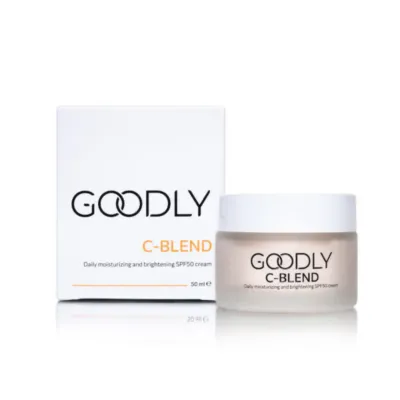
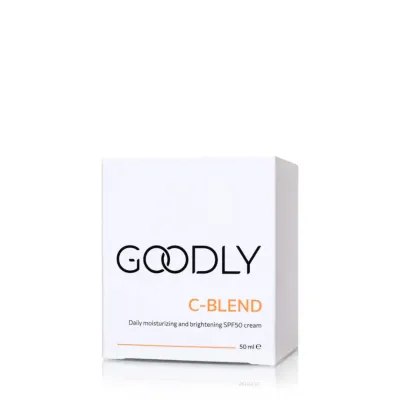
A cream with SPF 50 and UVA protection, applied in a generous amount, is good daily protection and saves a step. Two conditions make it or break it.
The amount
The thin layer most people apply a cream in gives far less protection than the tested figure. If you are relying on your cream for sun protection, apply it generously.
The season and the day
Ultraviolet A is there all year. Cloud reduces ultraviolet light without stopping it, and ordinary window glass lets much of the UVA through while blocking almost all the UVB. More on that in the article on photoprotection.
The Texture Your Skin Will Take
Fluid, emulsion, gel cream, cream, balm: in order from lightest to richest. Choose the lightest one your skin is still comfortable in four hours after you apply it. If it feels tight, go one level up. If it looks shiny and pores start to block up, go one level down.
After 30, 40 and 50
Age does not change the rules, only the emphasis. Around thirty it makes sense to add antioxidants and peptides. Later the skin holds less water and takes richer textures. Through menopause dryness usually increases and a denser night cream stops being a matter of preference. Decade by decade in care by age.
How to Read an Ingredient List Without Being a Chemist
Ingredients are listed in order of quantity only down to one percent; below that threshold the order can be anything. So an active rarely sits at the top: glycerin is usually high in the list, while hyaluronic acid, ceramides and cholesterol are almost always near the bottom of it. The top of the list is the base, the bottom is the actives. For barrier repair look for ceramides, cholesterol and fatty acids; squalane is a good emollient but not one of the three barrier lipids. If your skin reacts easily, the absence of parfum from the list says more than any promise on the front.
How Often to Change Cream
When the season changes, when the skin changes, or when the cream stops being comfortable on it. Not because one month has passed rather than two. Skin does not get “used to” a cream: if something has stopped working, usually the skin or the air around it has changed.
Common Mistakes
Too rich a cream on oily skin in summer. Too light a cream on dry skin in winter. Applying it to completely dry skin instead of slightly damp skin. Relying on an SPF cream applied in a thin layer. And changing cream three times in a month, which makes judging any of them impossible.
Where to Start
If you are not sure, start with a light everyday cream and separate sun protection: that combination works for the most people. The whole choice is in face creams, and sun protection is gathered in face sun protection.