What They Are
If a protein is a long sentence of amino acids, a peptide is a few words from it. That small size is the advantage: they are small enough to pass through the upper layer of skin, unlike whole proteins such as collagen.
Why collagen in a cream is different
The collagen molecule is too large to penetrate skin. Applied on top it works as a surface humectant, which is not nothing, but it is not the same as influencing collagen at depth. Peptides get around that problem precisely because of their size.
Types of Peptides
Signal peptides are the most common in anti-ageing products and are thought to prompt cells into more active work. Carrier peptides deliver trace elements, most often copper. Enzyme-inhibiting peptides slow the breakdown of existing structures.
Neuropeptides
A fourth group is marketed as working on expression lines. These ingredients are sometimes described as an alternative to injectables, which is a considerable overstatement: a product applied to the surface does not work by the same mechanism and does not give a comparable result.
What the Data Shows
The most quoted figures for specific peptide complexes such as Matrixyl or Argireline come from trials run by the companies that make them. That does not make them invalid, but it does mean they should be read as manufacturer data rather than independently confirmed results.
Overall, peptides are less studied than retinoids and their effect is subtler. The realistic expectation is a gradual improvement in skin density and smoothness, not a rapid visible change.
Who They Suit
Peptides are a good choice for people who do not tolerate retinol, for sensitive skin, and during pregnancy when retinoids are off the table. They also work alongside retinol rather than only as a substitute.
How to Use Them
In a serum, morning or evening, on clean skin before your cream. They are well tolerated daily and need no adjustment period. They combine easily with niacinamide, hyaluronic acid and ceramides.
What to be careful with
How to Spot Them in a Formula
On an ingredient list peptides usually begin with palmitoyl or acetyl and end in peptide followed by a number: palmitoyl tripeptide-1, acetyl hexapeptide-8 and similar. The number does not indicate strength, it simply identifies the particular sequence.
A long list of different peptides in one product looks impressive but does not guarantee a better result. A few at a working concentration usually do more than ten in trace amounts.
The Packaging Matters
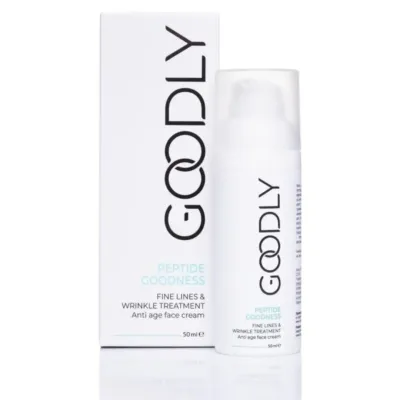
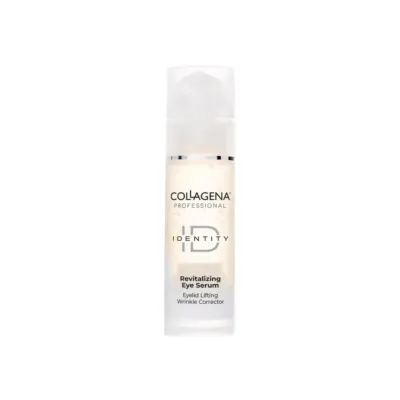
Peptides are relatively sensitive to light, air and temperature. A product in a clear, wide-mouthed jar loses activity faster than the same formula in an opaque pump.
The same applies to vitamin C and retinol. If a product is expensive and built around an active, the packaging is part of what you are paying for rather than just design.
Avoid applying peptides straight after a strong acid: the low pH can affect their stability. Split them between different times of day. Judge the result after at least three months of consistent use, not sooner.