Which is why, here, less almost always works better. Below is a short routine, followed by the reasoning behind each step.
Sensitive Skin, or a Damaged Barrier
The two get confused constantly, and the difference matters. One is something you were born with, the other is a state you created and that will pass.
How to tell them apart
If your skin has always reacted, to many different things, it is probably sensitive by nature. If it only started reacting recently, after a new product, a course of acids or the winter, a temporarily damaged barrier is more likely. The second sorts itself out in a few weeks with simple care.
The usual culprits
Exfoliating too often. Hot water. Products high in alcohol. Strong fragrance. Rubbing with a towel. And the most underrated one: too many new products introduced at the same time.
Step 1: Cleansing That Does Not Strip
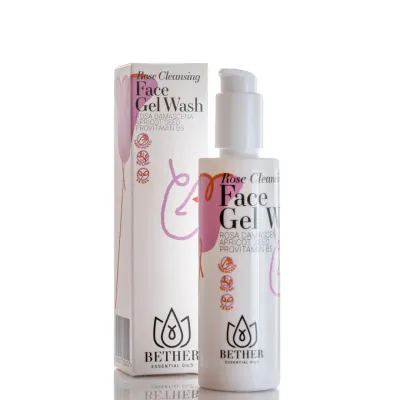
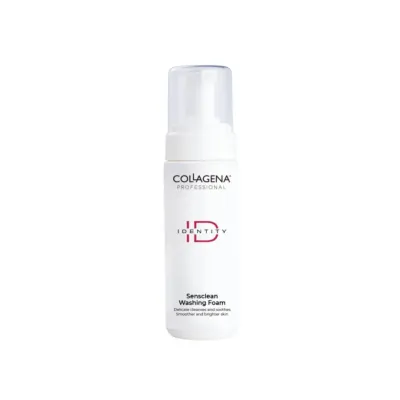
On sensitive skin, cleansing is the step with the greatest potential to do harm. Choose a gentle fragrance-free foam or milk, wash with lukewarm water, and pat dry.
What to avoid
Grainy scrubs, face brushes, exfoliating cloths. If your skin squeaks after washing, the product is too strong for it. Skin that feels comfortable afterwards is the sign you want.
Step 2: Calm Things Down
This is where the calm ingredients earn their place, not the powerful ones. Panthenol, centella asiatica and allantoin help skin look calmer and feel more comfortable. Niacinamide is well tolerated too, though on very reactive skin it is worth starting at a lower concentration.
Step 3: Rebuild the Barrier
Ceramides, squalane, glycerin and cholesterol top up what the outer layer is missing. On sensitive skin this step matters more than any active: until the barrier is in order, nothing else will work properly.
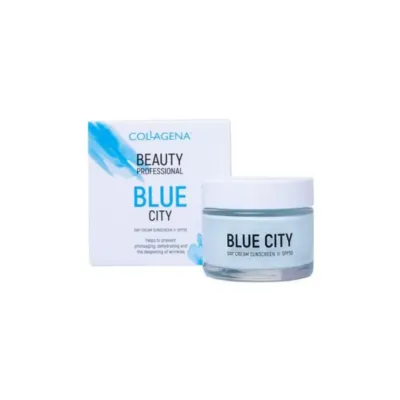
Step 4: Sun Protection Without the Sting
Sun is one of the most common triggers for redness on sensitive skin, so this step is not optional.
Mineral or chemical filters
Mineral filters, zinc oxide and titanium dioxide, sit on the surface and are usually better tolerated by reactive skin. Modern chemical filters are a fine option too and feel lighter to apply. If you are unsure, start with a mineral one and see how you get on.
How to Introduce a New Product
One product at a time, with at least a week before the next. Try a small amount behind the ear or on the inner forearm for two or three days before it goes on your whole face. If you react, you will know exactly to what.
What to Expect, and When
With a temporarily damaged barrier, comfort returns within one to three weeks of simplified care. With skin that is sensitive by nature, the aim is not a cure but fewer episodes and a quicker recovery from them.
The Ingredients That Irritate Most Often
Fragrance comes first, both synthetic and the kind that comes from essential oils. Then high levels of alcohol, plus menthol and eucalyptus, which give a fresh sensation that reactive skin often pays for in redness.
Be careful with the good ingredients too
Vitamin C at low pH, retinol and acids are not bad ingredients. They simply need a slower introduction on sensitive skin: every other day, at a lower strength, and sometimes only on specific areas.
What to Do During a Flare
When skin is already irritated, the first instinct is usually to add something soothing. The better move is the opposite: take everything unnecessary away.
For a few days, keep three products only: a gentle cleanser, a plain restorative cream and sunscreen. No acids, no retinol, no vitamin C, no masks. Most flares settle on their own within a week on that regime.
The water matters too
Hard water leaves mineral deposits on the skin, and for some people that alone is enough to cause a persistent tight feeling. If you have noticed your skin is calmer on holiday than at home, the water is one of the suspects.
Sensitive Skin and Rosacea Are Not the Same Thing
Sensitive skin reacts in episodes and looks normal between them. With rosacea the redness is persistent, concentrated in the centre of the face, and deepens over time. The second is a dermatological condition managed by a specialist, with skincare playing a supporting role. There is more in our article on couperose and rosacea.
Temperature as a trigger
Hot drinks, saunas, strong wind, stepping from the cold straight into a warm room. All of it dilates blood vessels and brings on redness however well chosen your routine is. If you flush easily, these factors often explain more than any product does.
If redness is constant, comes with burning, or is getting worse, that is no longer a cosmetics question: see a dermatologist. If you are looking for everyday products, browse our home care range.