
02 / Therapy for Sensitive and Redness-Prone Skin (Suitable for Rosacea Skin)
The ideal profile
Suited to diagnosed rosacea (type I, erythematotelangiectatic with redness and visible capillaries; type II, papulopustular with papules), to hyper-reactive skin without diagnosis, to skin in persistent dry irritation, and to people who react to many products. Especially useful after dermatological treatment as maintenance between dermatology visits. Also suited to people over 35 with thin, translucent skin and visible cheek capillaries who have not yet been diagnosed with rosacea but show all warning signs. We also recommend it for seasonal flares that come with the summer-to-autumn and winter-to-spring transitions; that is when the skin's thermoregulation is least stable. Also suitable for people with menopausal hot flushes, heat flashes often flare existing sensitivity. Not the same as the Soothing Therapy, that one is for temporary reaction to an external trigger; this one is for structurally sensitive skin that reacts often and strongly. Before your first session it is wise to bring a medication list if you take any (metronidazole, ivermectin, antibiotics) and note which home products have caused reactions.
When to postpone
We do not perform the therapy during an acute rosacea flare with open lesions or active abscesses, wait 5-7 days. We do not perform it during pregnancy (precaution, even though the ingredients have a good profile). If you are on isotretinoin (Roaccutane), check with the treating doctor. Active cold sore in the area, active skin tumours, recent sunburn. Allergy to oat, centella, or niacinamide, rare but worth noting. Type IV rosacea (phymatous, with tissue thickening) usually needs specialised dermatology care beyond our scope. After injectable botox or filler, wait 14 days. A strong cold-weather reaction (skin "flares" at sub-zero temperatures) is not a contraindication, but we note it for the plan; in such cases we run the session in a warmer room and let the skin acclimatise for 10 minutes before we start.
Expectations and plan
A single session reduces redness visibly for 7-10 days. A course of 4-6 sessions every 14 days plus home care delivers long-term skin stabilisation. The goal is not "perfect skin", the goal is calm skin without flares. Identifying and avoiding triggers is critical, water above 38°C, alcohol, spicy food, coffee on an empty stomach, and sharp temperature shifts are the most common. A 2-week skin journal helps you build your own trigger list. After the first session expect reduced redness for 7-10 days; after the third, noticeably more resilient skin; after the full course, stably fewer flares and shorter episodes. The therapy does NOT remove visible capillaries (couperose), those need IPL or vascular laser with a dermatologist. Read how it works in the salon and the aftercare plan. Once the skin stabilises you can add gentler rejuvenation protocols, for example, DMS "Cellular Awakening". Rosacea is a chronic condition, do not expect full clearance, but expect longer remission and shorter, milder flares. Maintenance every 6 weeks after stabilisation is optimal. All protocols: catalog. For long-term care: sensitive skin page.
What we do not promise
Honestly, sensitive-skin therapy will not do everything. It will not remove deep structural wrinkles, those need a dermal filler or a surgical approach. It will not clear persistent dermal pigmentation (chloasma, melasma), those need specialised medical care and often a combination of mesotherapy and medication. It will not erase acne scars, for those we work in a course with collagen-stimulating protocols over months. It will not prevent future aging or stop time, it works with the current state of your skin, not your genetics. It will not deliver a result that holds for 6 months from a single session, without maintenance, the effect fades gradually. What it does is real and measurable: improved texture, plumper and brighter skin, visibly evened tone, softened fine lines, and a younger-looking contour for a defined period. We find it more important to describe exactly what you will get than to over-promise and disappoint. If you have goals that do not fit this therapy, we will tell you at the consultation and direct you to the protocol with the best chance of delivering what you are looking for. A comparative overview of all our protocols is in the catalog.
Who gets the best results
From our practice, three client profiles get the strongest result from sensitive-skin therapy. First: a woman aged 32-40 with early aging signs and an active home routine, for her, the cumulative course effect is most visible because the skin already works with actives and takes professional signals better. Second: a 40-50 year-old who has not had professional therapies before but has healthy, well-maintained skin, for her the first session often delivers a surprisingly strong effect because there is no built-up resistance. Third: a client over 50 with specific concerns (loss of density, uneven tone, fine lines), for her we work in a long course and pair with other protocols; the accumulated improvement over 3-4 months is significant. Who does not get the strongest result: women who try a single session just to test without home follow-up, or clients with a very thin barrier from aggressive home actives, for those we first restore, then stimulate. If you recognise yourself in the first three profiles, your chances of a real result are very high. If you recognise yourself in the fourth, say so at the consultation and we will start with a gentler protocol that prepares the skin for sharper sessions later. For the full candidate profile see the who-it-is-for article.
Compared with alternative protocols
We often get asked how sensitive-skin therapy compares with our other therapies. Compared with soothing therapy this therapy fits a specific skin profile and a specific goal better. The two therapies are not interchangeable, they work on different mechanisms and we often combine them in one course for a fuller effect. The choice depends on three factors: your goal (glow, rejuvenation, lifting, tone evening), your skin type (normal, dry, oily, sensitive), and your skin history (have you had professional therapies before, do you use actives at home). At the consultation we review these three factors and propose a specific plan, often a combination of 2-3 therapies in a course that work synergistically. We do not recommend a one-size-fits-all therapy, results are much better when the protocol is specifically chosen. If you have had professional sessions before and know how your skin reacts to actives, say so, it speeds up the choice and often lets us start with a sharper plan from the start. See our full protocols catalog for a detailed comparison between therapies.
Is it for you? Self-assessment
Before booking sensitive-skin therapy, run through this short list. If you answer yes to at least 3 of 5, your chances of a real result are high. First: do you have at least one of the concerns this therapy specifically addresses (see the Ideal Profile section)? Second: does your skin tolerate active ingredients at home (retinol, acids, vitamin C) without a significant reaction? Third: do you have a daily routine in place with cleansing, serum, cream, and SPF50? Without that last one, the therapy will lose part of its effect. Fourth: can you commit to a course of at least 4 sessions over 6-8 weeks? A single session gives an initial effect, but real change comes from accumulation. Fifth: are you ready to add or maintain home care with the recommended products for at least 4 weeks after each session? If the answer is yes to most, book. If yes to 1-2, book a consultation first; we will recommend a better start or discuss how to prep the skin for this therapy. If no to most, there is a more suitable protocol for you, and at the consultation we will find it together. For the in-salon walkthrough see the procedure article.
Data from our practice
Over the past year more than 200 clients went through the studio for sensitive-skin therapy, either as a standalone session or as part of a course. About 78% report a visible improvement after the first session, usually in the category of brighter, plumper skin. Around 62% continue with the full 4-6 session course; of those, more than 85% report stable retention of the result for 2-3 months after the last session. About 12-15% do not see a meaningful effect after the first session, usually skin with a very thin barrier, dehydration, or parallel use of strong actives at home that pull from the effect. In those cases we re-assess and usually swap or pair with another protocol. These are internal consultation numbers, not a clinical study, we share them because we believe realistic expectations are the best foundation for a decision. About 4-5% report a mild adverse reaction (redness past 24 hours, brief tightness, small papules), usually a sign of a parallel strong home active or an undetected allergy. We have never had a severe adverse event from this therapy in our practice. Detailed contraindications and candidate profile are in the who-it-is-for article.
Frequently asked questions
Do I need a diagnosis first?
For classic rosacea, yes, we recommend a dermatology diagnosis. For reactive skin without diagnosis, the therapy still works.
Does it replace dermatological treatment?
No. It complements it and supports the skin between dermatology visits.
Suitable for visible capillaries?
For reducing the redness around them, yes. For the capillaries themselves (couperose), we recommend IPL or laser with a dermatologist.
Related products
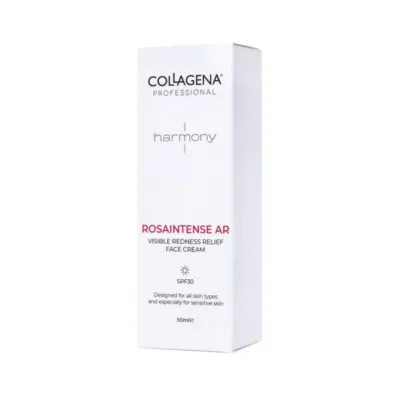
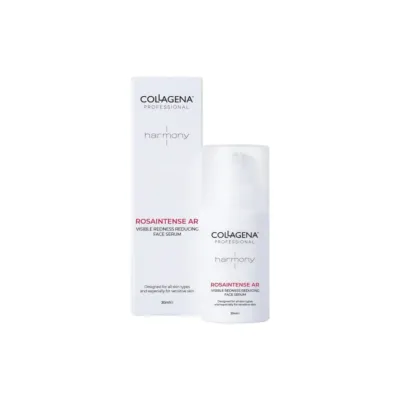
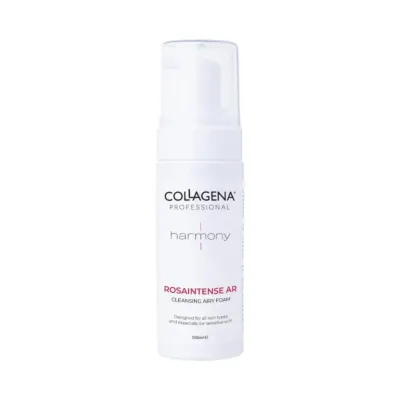
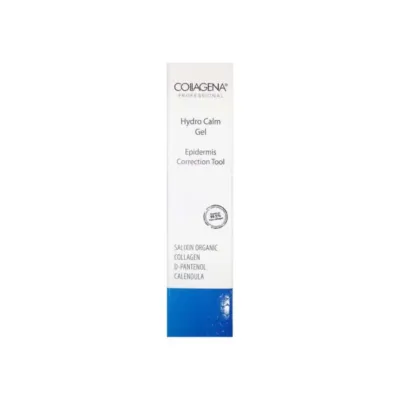
Specialized therapy for sensitive skin and rosacea with gentle, soothing active ingredients
← Back to the therapy page