Squalene and Squalane: One Letter Apart
Squalene, with an “e”, is a substance skin produces naturally as part of its sebum. Its problem is that it oxidises quickly on contact with air, which makes it unsuitable for a cosmetic product.
Squalane, with an “a”, is the hydrogenated version. Hydrogenation makes it stable and resistant to oxidation without changing how it feels on skin. Which is why products always contain the second form.
Where it comes from today
Historically squalane was obtained from shark liver. Today the overwhelming majority in cosmetics is plant-derived, most often from olive or sugarcane. If that matters to you, look for a plant-origin note on the packaging.
How It Works
Squalane is an emollient: it softens the surface and fills the microscopic spaces between cells in the upper layer. The result is skin that feels smoother and loses less water through the barrier.
Unlike heavier oils, squalane feels light and absorbs quickly without leaving a greasy film. That is why it appears so often in products for oily skin, where most oils would be far too heavy.
Why It Is So Well Tolerated
Squalane is odourless, contains none of the components that commonly irritate, and is structurally close to something skin already makes. So it is frequently recommended for sensitive skin and considered low-risk even on reactive skin.
It is also considered non-comedogenic for most people, though on congestion-prone skin no oil is entirely risk-free. A patch test remains the sensible precaution.
Who It Suits
Every skin type. On dry skin it acts as a softening layer, on oily skin it is light enough not to weigh anything down, and on sensitive skin it is among the safest choices. It is also used on hair to reduce the look of frizz at the ends, and on cuticles.
How to Use It
A few drops on slightly damp skin, after your serum and either before or instead of a cream, depending on how rich you need the care to be. It can also be mixed into a plain cream if the texture feels insufficient in winter.
As a buffer with actives
Squalane is also useful when introducing retinol. A layer before or after the active softens the adjustment period without cancelling out its effect. It combines without restriction with niacinamide, acids and vitamin C.
What to Expect
Softer, more comfortable skin from the first few applications. Squalane does not target wrinkles, pigmentation or blemishes and will not change your skin tone. Its job is supportive, and it does that reliably.
How to Read the Label
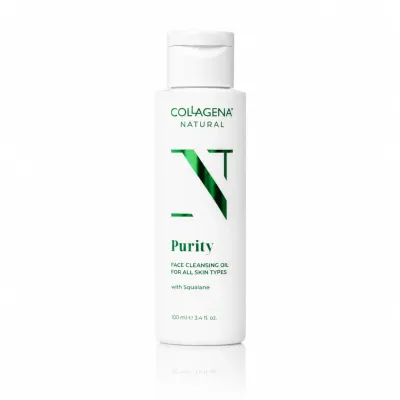
On an ingredient list squalane appears simply as squalane. If you see squalene with an “e”, the product contains the unstable form and is more likely to go rancid. Wording like “100% squalane” means there is nothing in the bottle but the ingredient itself.
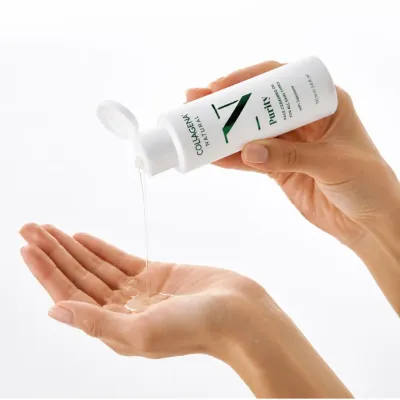
Pure squalane is colourless, odourless and liquid at room temperature without thickening. If a product has a distinct smell, that comes from something else in the formula, not from the squalane.
How long it keeps
Because it resists oxidation, squalane keeps far longer than plant oils. That also makes it convenient for formulators, since it does not demand large amounts of antioxidant in the formula.
Common Misunderstandings
The first is that squalane hydrates. It does not, because it contains no water. It holds existing moisture in and softens the surface, but if skin is dehydrated it needs a hydrating product first, with squalane on top.
The second is that it replaces a cream. On dry skin in winter, squalane alone is rarely enough: it lacks the humectants and heavier occlusives that hold water in for longer.