What It Is
Vitamin E is not a single substance but a group of fat-soluble compounds. Cosmetics most often use tocopherol or its more stable derivatives such as tocopheryl acetate. Those are the names you will see on an ingredient list.
Its two roles
The first is as an active for the skin. The second, just as important, is as an antioxidant for the formula itself: vitamin E protects the oils in a product from oxidising and extends its shelf life. Which is why it appears in products that never advertise it.
How It Works on Skin
As a fat-soluble antioxidant, vitamin E embeds itself in the lipid portion of the skin barrier. There it neutralises free radicals while also acting as an emollient that softens the surface.
The Combination With Vitamin C
This is one of the few combinations in skincare with consistent scientific grounding. Vitamin C is water-soluble and vitamin E is fat-soluble, so the two work in different parts of the skin and complement each other.
Why ferulic acid often joins them
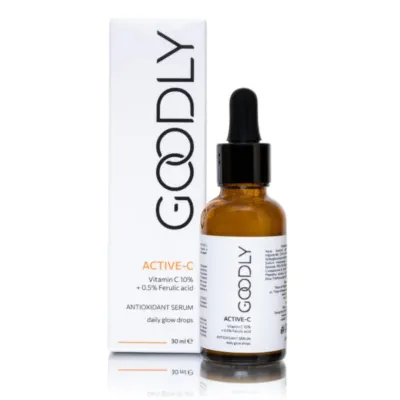
Ferulic acid stabilises both vitamins in the formula. The vitamin C, vitamin E and ferulic acid trio is a classic for that reason: not because it sounds impressive, but because the three hold up better together than separately.
The Myth About Scars
A widespread belief holds that vitamin E applied to a scar removes it. Research does not support that, and in a proportion of people pure vitamin E oil triggers contact dermatitis.
What vitamin E genuinely does is soften and hydrate the skin around a scar, which can make it visually less noticeable. The difference between those two claims matters.
How to Use It
Tocopherol or Tocopheryl Acetate
Tocopherol is the active form and works immediately, but it is less stable and oxidises faster. Tocopheryl acetate is more stable and survives longer in a formula, but it needs the skin to convert it, which does not happen completely.
In practice both are widely used and the difference is rarely decisive for the end user. What matters more is whether the product is in suitable packaging and how long it has been open.
Why It Is Almost Everywhere
If you scan the ingredient lists of creams, oils and balms you will find tocopherol in a surprising number of them, even when the packaging says nothing about vitamin E. The reason is technical: it keeps the plant oils in the product from going rancid.
So its presence on a list does not necessarily mean the product is a “vitamin E product” in the way that gets advertised. Sometimes it is simply good formulation.
Best within a finished formula rather than as a pure oil. In a cream or serum the concentration is balanced and the risk of irritation is low. Pure vitamin E oil is heavy, spreads poorly, and on congestion-prone skin it can cause trouble.