Why the Bulgarian Rose
Rosa damascena has been grown in the Rose Valley near Kazanlak and Karlovo for more than three centuries. The combination of climate, soil and altitude yields an oil with a distinctive composition that is hard to reproduce elsewhere.
Picking happens early in the morning, before the sun evaporates some of the volatile compounds, and lasts only a few weeks in late May and early June. That short season is one reason for the price of the raw material.
How many blossoms for how much oil
Producing one kilogram of rose oil takes tonnes of blossom. That is precisely why the essential oil is among the most expensive cosmetic raw materials in the world, and why products promising a high content at a low price deserve scepticism.
Hydrosol and Essential Oil: Two Different Materials
Distilling rose blossom produces two products at once. The essential oil is the concentrated fat-soluble part, and rose water, or hydrosol, is the water phase left after the oil is separated.
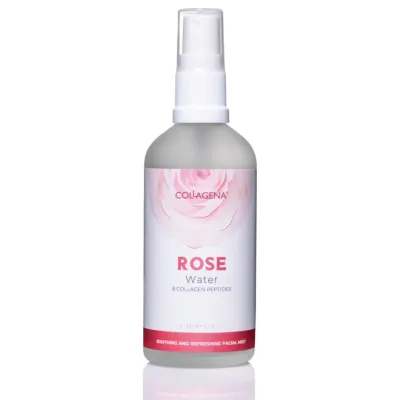
The hydrosol contains small amounts of the same aromatic compounds, but heavily diluted. So it is far milder, is used in large quantities, and is what you will find in toners and micellar waters.
The essential oil is used at concentrations on the order of tenths of a percent. If a product advertises a high rose oil content, that is more likely a marketing phrase than a description of the formula.
What It Contains
The main compounds in rose oil are citronellol, geraniol, nerol and phenylethyl alcohol. They define the characteristic scent and are the same ones behind some of the described benefits.
The blossom also contains polyphenols with antioxidant activity, which pass mainly into the water phase. They are the basis for describing rose water as soothing and protective.
What the Research Shows
There are laboratory studies reporting antioxidant and anti-inflammatory activity in Rosa damascena extracts. Some are on cell cultures, others on animal models.
Human clinical studies of cosmetic application are few and limited in scope. So the sensible expectation is modest: a pleasant, soothing ingredient with a good tolerability profile, not an active with a proven effect on wrinkles or pigmentation.
The Scent Is Also the Risk
This is the most important practical note in the whole article. Citronellol and geraniol are among the compounds European regulation requires to be declared separately on the label, precisely because some people develop contact sensitivity to them.
In other words, the very compounds that make rose appealing also make it riskier for reactive skin. Natural origin does not reduce that risk: an allergen remains an allergen whether it comes from a flower or a laboratory.
How to manage it
If your skin is calm, rose is a pleasant and perfectly reasonable part of a routine. If it is reactive or you have known fragrance sensitivity, patch test and start with a hydrosol rather than a product containing the essential oil.
Who It Suits
Normal, dry and mature skin, where gentle hydration and a pleasant feel are what you are after. Rose water is also convenient for refreshing through the day, including over makeup.
With markedly sensitive skin or a tendency to redness, proceed carefully. In those cases fragrance-free ingredients such as panthenol, centella and ceramides are the safer choice.
How to Use It
Rose water goes on after cleansing, on damp skin, before serum and cream. It hydrates lightly but does not replace a moisturiser: on its own it contains nothing to hold water in the skin.
It combines easily with almost anything: niacinamide, hyaluronic acid, peptides. On evenings with retinol or acids it is more sensible to skip fragranced products while skin adjusts.
How to Recognise a Good Product
On an ingredient list genuine rose water appears as rosa damascena flower water and usually sits among the first ingredients. If instead you see water plus a fragrance blend, the product smells of rose but does not contain it.
A Rose Valley origin marking is useful when the manufacturer states it specifically. Generic wording about Bulgarian rose with no further detail says nothing verifiable.
Common Myths
That rose water tightens pores. Pores do not shrink from a toner; the tight feeling comes from evaporation and is temporary. That it hydrates sufficiently on its own. It does not: without a cream on top the water evaporates.
And the most widespread: that natural means safer. With rose the opposite holds compared with fragrance-free formulas for sensitive skin, because its natural compounds are among the regulated allergens.
In Short
The Bulgarian rose is a genuine raw material with a pleasant feel, good light hydration and modest antioxidant support. It is not an active and does not compete with retinol or vitamin C.
If you like the scent and your skin tolerates it, it makes a routine more pleasant, and a pleasant routine gets followed more consistently. That alone is reason enough to use it.
Rose Oil, Absolute and Extract
Rose oil is obtained by steam distillation. The absolute is extracted with a solvent, has a fuller scent and a slightly different composition. The two are not interchangeable and their prices differ.
On a label you will see rosa damascena flower oil for the distillate and rosa damascena flower extract for the extract. If you see only parfum or fragrance, the scent is composed rather than extracted from blossom.
How to Store Rose Products
Aromatic compounds are volatile and degrade in light and heat. Dark packaging, tightly closed, kept cool and away from a window preserves both the scent and the useful part for longer.
Preservative-free rose water has a short life once opened and should be kept refrigerated. If the smell changes or the liquid turns cloudy, the product should be discarded.
Rose in the Bulgarian Cosmetic Tradition
Rose distilling developed as a craft in Bulgaria from the seventeenth century onward and was for a long time a principal export for the region. That continuity is why Bulgarian rose oil has a recognised name on the international market.
Tradition, however, is an argument about origin and raw-material quality, not evidence of a cosmetic effect. The two are often conflated in advertising and are worth keeping separate.
What to Expect
Immediately after application skin feels refreshed and more comfortable. With regular use of a suitable formula, tone may look more even and the sense of dryness may ease.
Do not expect a change in wrinkles, pigmentation or skin firmness. Those goals need ingredients with a different mechanism and far firmer evidence behind them.
Rose Water or a Toner With Actives
Rose water is a soothing, refreshing intermediate layer. Toners with acids or niacinamide have a specific job and work differently. The two do not substitute for each other, and you do not have to choose only one.
If you use both, the order is simple: the active toner first, then rose water only if skin needs extra soothing. In most cases, though, one toner is entirely sufficient.
Rose in Body and Hair Care
Beyond facial care, rose water appears in body lotions, after-bath products and as a refreshing spray. Here the concentration of aromatic compounds is usually higher and the area of application larger.
That is worth bearing in mind if your skin is prone to reactions: the same product that is pleasant on the hands can be too heavily fragranced for the neckline or the skin around the eyes.
Is It Worth the Price
Rose water is an affordable raw material and a good product should not be expensive. The essential oil is costly, but is used in such small amounts that it rarely justifies a large difference in the final price.
Judge a product by its whole formula rather than by the flower on the front. If alongside the rose it contains good humectants and barrier ingredients, you will get more out of it.