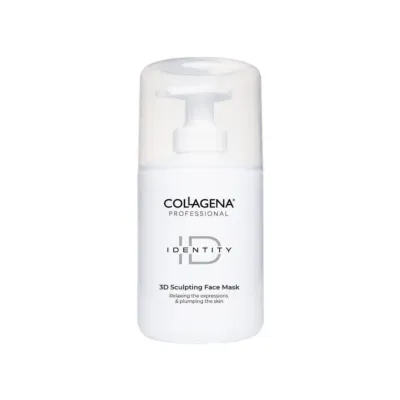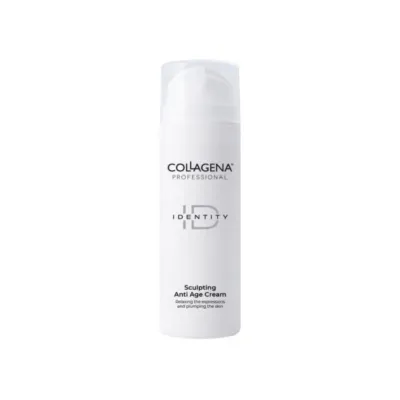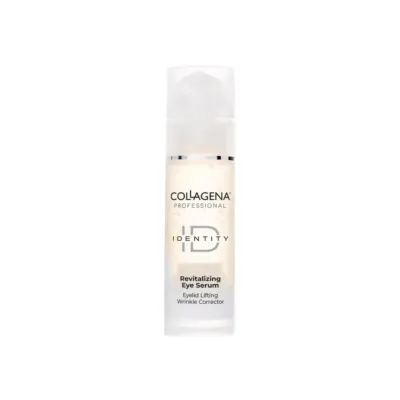
The phrase describes the look that is wanted, not the way it is arrived at. The difference matters, because the expectation it creates is often larger than anything a cosmetic can deliver.
First, What It Is Not
Botulinum toxin is a medicine. It is injected by a doctor, it acts where the nerve passes its signal to the muscle, and as a result that muscle contracts less for a few months. It is a medical procedure with indications, contraindications and follow-up.
Why a cosmetic does not do the same
A cosmetic product is applied to the skin and stays in its uppermost layers. It does not reach the nerves and the muscles beneath them, and by law it cannot claim to. In the European Union a cosmetic product is defined as a substance or mixture intended to be placed on the external parts of the body, the teeth and the mucous membranes of the oral cavity, exclusively or mainly to clean them, perfume them, change their appearance, protect them, keep them in good condition or correct body odour (Article 2 of Regulation (EC) No 1223/2009). A product that restores, corrects or modifies a physiological function is a medicine, not a cosmetic.
So What Does the Phrase Mean
It means “a look resembling smoothed skin”. That is a claim about appearance, not about mechanism. When a pack says ‘botox effect’, the honest reading is: this formula aims to make skin look smoother and expression lines read more faintly.
What Is Actually in the Formulas
Peptides described as botox-like
These are short chains of amino acids that the cosmetics industry uses for exactly that wanted look. Manufacturers describe them as ingredients for smoother-looking skin; the data behind them comes mostly from the manufacturers’ own studies and from small trials, not from the level of evidence that sits behind a medicine. More about the class in the article on peptides.
Film-forming ingredients
Part of the impression comes from something simpler: polymers and silicones form a thin film that fills the micro-relief of the surface and makes it reflect light more evenly. The effect is real, visible at once and entirely temporary, because it goes at the next wash.
Hydration
Well hydrated skin reflects light more evenly and the fine lines in it look shallower. A large part of the result people attribute to a ‘botox effect’ is exactly this. More in the article on skin hydration.
What Can Realistically Be Expected
Smoother-looking skin, less noticeable fine lines, a surface that catches the light better. The effect builds with regular use and goes when the use stops.
What cannot be expected
Deep folds, the result of years of expression and of lost volume, do not change with a cream. No cosmetic relaxes a muscle, and none holds a result for months after you stop. If that is the goal, the conversation is with a doctor rather than with a cosmetic product.
When the Phrase Misleads
When it creates an expectation belonging to another category. Someone who buys a cream expecting the result of an injection will be disappointed, even if the product is good at what it was made for. That is why our own descriptions stay with “a smoother look”. Where the phrase is part of the name the manufacturer gave a product, we leave it as a name rather than as a claim about what the product does, and we explain what it means.
How to Judge One
Whether a product is good depends on the formula, not on the phrase on the box. Formulas in this group are usually hydrating and contain peptides; their effect on how the surface looks is quick, but superficial and temporary. That makes them reasonable for a day when you want your skin to look better, and for regular care around the eyes and mouth, as long as you do not expect a result from another category.
What works alongside them
Daily sun protection, which is the best thing skincare has against photoageing. A retinoid in the evening, if the skin takes it. And consistency, which does more than any single ingredient.
What to Ask Before You Buy
What exactly the active ingredient is and at what concentration. Whether the result being shown comes from one application or from a course. Whether there is a study behind the claim, and who ran it. A seller who answers all three specifically usually has the better product too.
More on the Subject
The logic of anti-ageing care is in anti-ageing care, and the products with peptides are gathered in peptide skincare. If your subject is wrinkles more broadly, see wrinkles and loss of firmness.