It does not. A few minutes straight after a session do more than the most expensive serum applied hours later. Here is the routine step by step, followed by why each step looks the way it does.
What Happens to Your Skin While You Train
During exercise your heart pushes more blood toward the surface of the skin to carry heat away. That is where the familiar post-cardio flush comes from. It is normal and it settles on its own, usually within half an hour of finishing.
At the same time the sweat glands switch on. Sweat is mostly water and salts, with a little urea and lactic acid. Its job is to cool the body, and on its own it is not the enemy of your skin.
So sweat does not clog pores?
No, at least not directly. Pores are blocked by sebum and dead cells, and sweat contains no sebum. The trouble comes later: while sweat sits on your face it mixes with the oil your skin produces, with makeup if you are wearing any, and with whatever your hands and the equipment left behind. That mixture can settle into pores.
Which is why timing matters far more than the product. Skin washed twenty minutes after a workout is in a very different position from skin that has spent two hours in dried sweat.
Friction is the other half of the story
Caps, headbands, helmets, straps and tight clothing press against the skin and trap heat and moisture against it. The combination of pressure, friction and damp is a classic reason for small, uniform-looking blemishes exactly where the gear sits. Dermatology calls this acne mechanica.
If you notice breakouts only along the hat line, on the forehead under a headband or across the shoulders, look first at what touches your skin and only then at your routine.
Step 1: Cleanse Soon After Your Workout
If you take away one thing from this article, make it this. The longer sweat, oil and grime stay on the skin, the more time they have to settle into pores. Aim to cleanse within about half an hour of finishing.
Lukewarm water, not hot
After training your skin is already warm and flushed. Hot water intensifies both and leaves a tight feeling behind. Lukewarm water cleans just as well without adding irritation.
How to do it
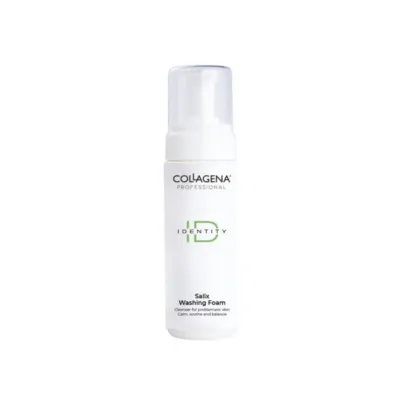
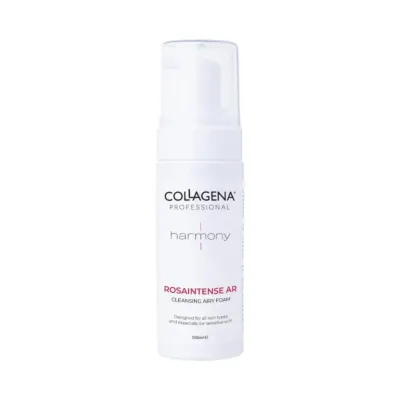
Take off makeup first if you are wearing any. Work a gentle gel or foam over damp skin with your fingertips for about thirty seconds, rinse thoroughly, then pat dry with a clean towel rather than rubbing. Keep that towel to yourself and change it often: it hangs damp in the bathroom and collects everything.
If you cannot get home right away
Micellar water and a clean cotton pad are a perfectly reasonable stopgap in the changing room or the car. They do not replace a proper cleanse, but they beat doing nothing by a wide margin. The full routine can wait until you are home.
Lukewarm water and a gentle cleanse soon after training: the single most important step in the routine.
Step 2: Exfoliate, but Go Easy
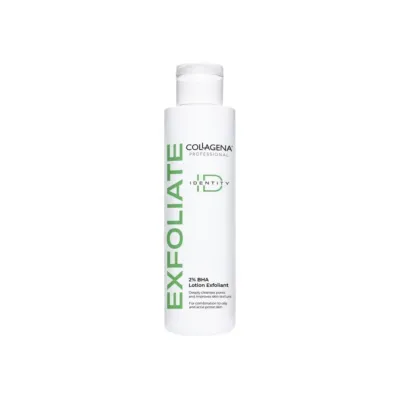
Exfoliation helps skin shed the dead cells that, together with sebum, take part in blocking pores. For skin that turns blemish-prone after exercise, salicylic acid is the logical pick.
Why salicylic acid specifically
Salicylic acid is a beta hydroxy acid and it is oil-soluble. That lets it mix with sebum and work inside the pore rather than only on the surface. Alpha hydroxy acids such as glycolic and lactic work mainly on the surface layer and suit uneven tone and roughness better.
How often
Two or three times a week is a sensible starting point. Skin is more sensitive than usual straight after training, so do not pair an acid with a gritty scrub or a brush the same evening. If you get tightness, flaking or stinging, cut back. More exfoliation does not mean cleaner skin.
For a closer look at how the individual acids behave, see our Ingredients Library. And if your skin stays blemish-prone away from the gym too, you will find further steps in our acne skincare routine.
Step 3: Calm the Skin and Restore the Barrier
The skin barrier is the thin outer layer that keeps moisture in and irritants out. After sweat, friction and washing it is briefly more vulnerable. This step gives it back its comfort.
Which ingredients help
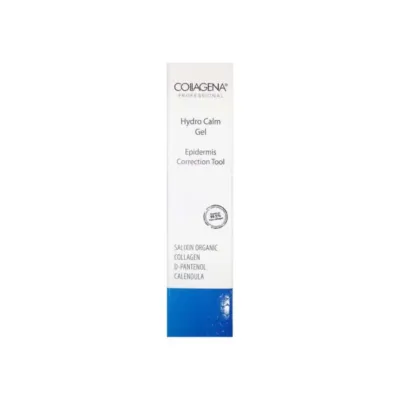
Niacinamide supports the barrier and helps tone look more even. Squalane is a light emollient that softens without leaving a greasy film. Glycerin draws water into the upper layers, and ceramides top up the lipids the barrier is built from. None of it is exotic, and that is exactly why it works.
Oily skin needs moisture too
This is the most common post-workout mistake. When skin is dehydrated it often compensates with more oil, and the result is a shinier face by midday. Choose a light texture, a gel or a fluid, rather than skipping the step altogether.
Step 4: Sun Protection if You Train Outdoors
Running, cycling, tennis, hiking: all of it happens under open sky, often in the strongest hours of the day. Sunscreen is the last step of the morning and the one that protects the work everything else has done.
Reapplying while you move
Sweat and towel-wiping take some of the protection with them. Reapply every couple of hours, and more often if you sweat heavily. Stick formats are practical for sport: they go on without using your hands and they do not run into your eyes.
Not Just Your Face: Back, Chest and Scalp
Your back, chest and shoulders sweat just as much, and they spend the whole session pressed under clothing. That is precisely where skin has the most reason to react.
Clothing and kit
Get out of damp kit as soon as you can instead of letting it dry on you. Favour breathable fabrics. Wipe equipment down before you use it and try not to touch your face mid-session. Wash headbands and caps regularly, and if you train in the evening, change your pillowcase more often.
The scalp
The scalp sweats along with everything else, and if you train often it needs washing more frequently than people usually assume. Sweat and oil left at the roots lead to a heavy feeling and hair that looks greasy sooner.
When You Will See a Difference
The comfort comes back immediately, the same evening. A visible change in how clear the pores look and how even the tone reads takes longer, usually a few weeks of consistent care.
Consistency beats intensity. A simple routine you follow after every session will do more than an elaborate one you remember once a week. If you are still building the habit, start with cleansing alone and add the rest gradually. The products in this article live in our home care range.