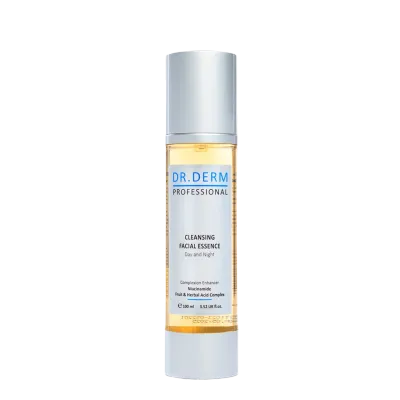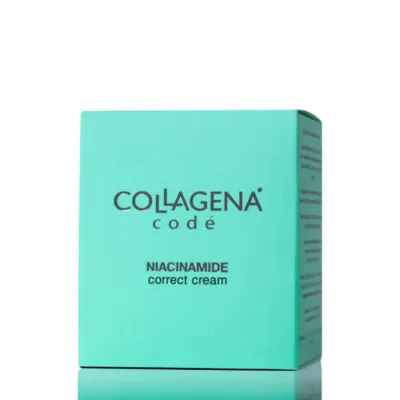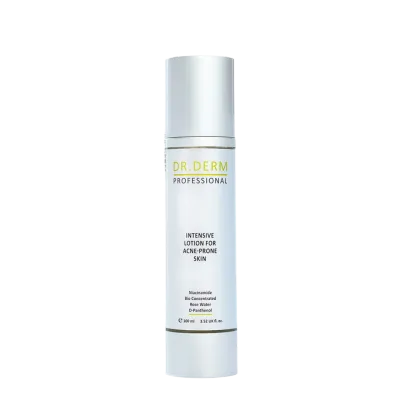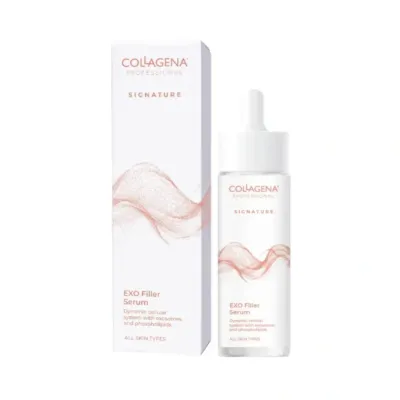
The most common mistake is attacking the skin: washing three times a day, strong acids, alcohol toners. The result is usually irritated skin producing even more oil. Here is the calmer approach.
Why Blemishes Appear
Four things happen at once: the skin produces more oil, dead cells are not shed quickly enough, the follicle blocks, and in that closed environment bacteria multiply. The result is the inflammation you see on the surface.
What does not cause blemishes
Dirty skin. This is the most stubborn myth, and it leads straight to over-washing, which makes things worse. Blemishes form inside the follicle, not from dust on the surface. Washing more often does not help, and washing harder actively hurts.
Step 1: Cleanse Without Stripping
Twice a day is enough: morning and evening. A gentle gel or foam, lukewarm water, about thirty seconds. If your skin squeaks afterwards, the cleanser is too strong.
Why more is not better
Every wash takes away some of the lipids on the surface. When that happens too often, skin answers with more oil to compensate. That is the loop where the more you wash, the oilier your face gets.
Step 2: Salicylic Acid
Salicylic acid is oil-soluble, which lets it work inside the pore rather than only on the surface. That is exactly why it is the logical pick when congestion is the issue. There is more on the individual acids in our guide to acids.
How often
Start two or three times a week and increase only if your skin is coping calmly. Daily use suits some people, but it is not a target to aim for. Flaking, tightness and stinging are a signal to cut back, not to push through.
Step 3: Niacinamide
Niacinamide is unusual in that almost every skin type tolerates it. It helps with midday shine, supports the barrier, and over time evens out tone, including the marks blemishes leave behind.
Step 4: Moisture and Daytime Protection
Why oily skin still needs moisturiser
Oily and dehydrated are two different things, and they often go together. Skin without enough water compensates with more oil. A light gel or fluid solves that without weighing anything down.
Sunscreen is not optional, especially if you use acids. UV makes post-blemish marks darker and longer-lasting, and those marks are usually what bothers people most once the blemish itself has gone.
What Not to Do
Do not squeeze. Pressure pushes the contents of the follicle deeper, increases inflammation, and is the leading cause of lasting marks and scarring. The difference between a blemish that clears in days and a mark that stays for months is very often exactly this.
Do not change the whole routine every week. Any new product needs at least four weeks to show what it does. Changing everything at once means you will never know what helped and what hurt.
When to See a Dermatologist
Cosmetics work well for mild to moderate blemishes. If you have painful deep cysts, if the condition is leaving scars, or if several months of consistent care have changed nothing, that is a medical question rather than a cosmetic one. A dermatologist has options that skincare does not.
How Long It Takes
With a mild to moderate presentation, most people notice the first visible changes after roughly four to six weeks of consistent care. Tenderness and redness usually settle first, while the look of the skin evens out later. If you expect a result within days, you will probably change routines just before yours starts working.
One clarification matters here: different types of blemish move at very different speeds. Inflamed lesions settle within days, while blockages respond slowly - that is weeks of regular exfoliation, not days. The marks they leave run on a schedule of their own.
Because of this difference, it helps to first recognise what you are actually dealing with. There is a detailed breakdown by type and timeframe in our article on how long each type of blemish takes.
Not All Blemishes Are the Same
Blackheads and whiteheads are blocked follicles without inflammation. They respond best to regular salicylic acid and to patience.
Red, swollen, tender spots are inflammatory. Aggressive exfoliation makes those worse. Calming ingredients and time are more useful, and if they recur often or sit deep, so is a specialist.
The differences do not end there - sebaceous filaments on the nose, for instance, are not blackheads at all, and milia do not respond to acids. The full typology, along with the difference between a mark and a scar, is set out in our overview of blemish types.
Makeup on Blemish-Prone Skin
Makeup does not cause blemishes by itself. The problems are brushes and sponges that never get washed, and makeup that stays on overnight. Clean your tools regularly and take everything off at night, without exceptions.
Food, Stress and Sleep
A lot gets said here and less is settled than it sounds. Chocolate and greasy food have no clearly established direct link with blemishes, despite the stubborn reputation.
For stress and sleep the observations are more consistent: stretches of heavy pressure and chronic short sleep often coincide with a flare-up. That is not a prescription, more a reason not to blame everything on the products you use.
Back and chest
The same mechanisms apply there, with clothing friction on top. Change out of damp kit after exercise, choose breathable fabrics, and wash your back last, after rinsing out conditioner. There is more in our article on post-workout skincare.
The first visible changes come after four to six weeks, the more convincing ones after about three months. Marks fade slowest of all. During that time the most useful thing you can do is change nothing. The products are in our home care range.