What It Is
Coenzyme Q10, also known as ubiquinone, is a substance found in nearly every cell in the body. It takes part in energy production inside the mitochondria, the structures that supply a cell with the resource it runs on.
It is also an antioxidant, and a fat-soluble one, which lets it work in the lipid parts of a cell where water-soluble antioxidants struggle to reach.
Ubiquinone and ubiquinol
On an ingredient list you will usually see ubiquinone, and less often ubiquinol. The latter is the reduced form and less stable, so it is used less in cosmetics. For practical purposes the difference is not decisive.
Why Levels Decline
The amount of coenzyme Q10 in skin falls with age, and sun exposure speeds that decline. This is well described and is the main logic behind including it in products for mature skin.
A note of caution, though: the fact that something declines with age does not automatically prove that applying it to skin restores the earlier state. The logic is persuasive, but it is not a substitute for a study result.
What the Research Shows
There are published studies on topically applied coenzyme Q10 reporting reduced wrinkle depth around the eyes and improved antioxidant defence. The studies are relatively small in scale, however, and some were manufacturer-funded.
So the fair summary is this: coenzyme Q10 is a stable antioxidant ingredient with decent support behind it, but not the weight of evidence that retinol or vitamin C carry. If you want the best-supported anti-ageing choice, start there.
What to Realistically Expect
Skin that looks a little firmer and more even on the surface, plus antioxidant support against everyday exposure. The effect is gradual and measured in months rather than weeks.
You will not see a visible change in deep lines or in sagging. Those involve structures a cosmetic product does not reach, and promises in that direction are a sign of overreaching marketing.
How to Use It
Morning or evening, as part of a serum or cream. Morning use makes sense, since an antioxidant works against daytime exposure, but the product does not replace sunscreen and should not be relied on for that.
What it pairs with
With vitamin C and vitamin E, forming an antioxidant combination, and with peptides and niacinamide. There is nothing it is incompatible with, and it needs no adjustment period.
Practical Notes
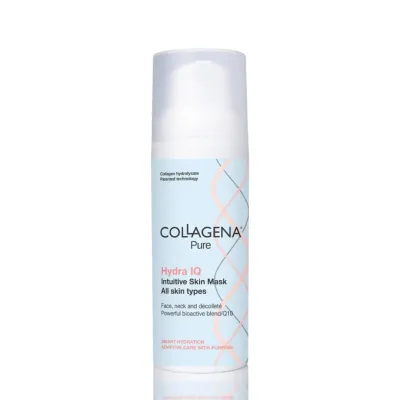
Coenzyme Q10 has a distinctive orange-yellow colour that can faintly tint a pale cream. That is normal and not a sign of a spoiled formula. Like any antioxidant, though, it is affected by light and air, so opaque pump packaging beats an open jar.
The ingredient is well tolerated by almost every skin type, sensitive included, and rarely causes irritation. If your skin reacts to a product containing it, the cause is more often something else in the formula.
Cream, Serum or Supplement
Coenzyme Q10 is also sold as a supplement, but taken orally it is not directed to the skin: the body distributes it according to its own priorities. If your goal is skin, a topical product is the more direct route.
Between a serum and a cream, the difference is more about texture and the other ingredients than about the coenzyme itself. A serum is usually more concentrated and lighter; a cream adds softening components. The choice depends on what else your routine is missing.
Who Benefits Most
Mature skin, skin with regular sun and city exposure, and people who want antioxidant support but do not tolerate more active ingredients. Coenzyme Q10 is convenient precisely because it asks for no compromise on tolerability.
On young skin with no specific concern the benefit is preventive and hard to notice. In that case sun protection remains by far the more important investment.